Öz
Influenza is a major public health concern that can cause infection in all age groups while leading to severe complications, hospitalization, and mortality particularly in the presence of risk factors such as advanced age, chronic comorbidities, immunosuppression and pregnancy. This multidisciplinary consensus report aimed to provide primary care physicians with a practical guidance document on adult influenza in terms of diagnosis, treatment, prevention of complications and vaccination through recommendations based on current scientific evidence for use in daily clinical practice. The report was prepared by a multidisciplinary expert panel involving family medicine, infectious diseases and clinical microbiology, internal medicine, endocrinology and cardiology academicians.
Anahtar Kelimeler: adult influenza, diagnosis, complications, referral criteria, high-risk group, anti-viral treatment, chemoprophylaxis, vaccination
Introduction
According to World Health Organization (WHO), seasonal influenza affects around one billion people worldwide every year, causing severe illness in 3-5 million cases and death in 650,000.[1,2]
The annual global attack rate for influenza is estimated to be 5% to 10% in adults. In healthy adults, the disease is often self-limited with a full recovery within approximately one week. However, presence of certain risk factors such as advanced age, chronic comorbidities, pregnancy and immunosuppression increases the likelihood of a more severe clinical course potentially leading to severe complications, hospitalization and death.[1-3]
Seasonal influenza vaccine is an important public health intervention and the main strategy for prevention of influenza infection, as well as for reducing the risk of developing severe disease, influenza-related complications, hospitalization and mortality.[1,4-6] Vaccination is also associated with lower healthcare resource utilization, reducing the economic burden of influenza.[5-7]
However, public perception of influenza often as a mild and self-limiting disease, vaccine hesitancy and suboptimal real-world utilization of vaccination particularly in high-risk groups are amongst the main obstacles to preventing influenza and related complications.
Primary healthcare plays a pivotal role not only in the diagnosis and treatment of influenza but also in the prevention of disease. Specifically, primary preventive healthcare physicians are responsible for identifying high-risk individuals, evaluating vaccine needs, addressing vaccine hesitancy, and recommending and implementing seasonal influenza vaccination.
This multidisciplinary consensus report aimed to provide primary care physicians with a practical guidance document on adult influenza in terms of diagnosis, treatment, prevention of complications and vaccination, through recommendations based on current scientific evidence for use in daily clinical practice. The report was prepared by a multidisciplinary expert panel involving family medicine, infectious diseases and clinical microbiology, internal medicine, endocrinology and cardiology academicians.
Epidemiological characteristics
Influenza epidemiology is mainly driven by antigenic variation in influenza viruses and shifts in population immunity over time. In temperate climate zones, influenza shows seasonality by causing epidemics mostly in the winter months. In tropical and subtropical climate zones, however, influenza can circulate year-round with one or more peaks in activity.[1,3,8] The seasonality of influenza varies globally in temperate climate zones, with peak periods occurring predominantly between October and April in the Northern Hemisphere, and between April to September in the Southern Hemisphere.[3,5-7]
The timing, duration and severity of the seasonal influenza epidemic vary across years and regions depending on the type of circulating viruses, population immunity level, previous infection or vaccination status, and demographic and environmental factors.[1,2,9] Influenza is an important public health concern increasing the risk of severe complications, hospitalization and mortality particularly, in advanced age and other high-risk groups, as well as the healthcare resource utilization.[3,4,9,10] Besides the increase in health expenditure, it also causes increment in indirect costs resulting from patients’ lost productivity and time spent by the caregivers, leading to a considerable economic burden.[11]
Influenza activity is tracked by national surveillance systems in Türkiye. Accordingly, within the context of the sentinel influenza-like illness (ILI) surveillance, clinical and virological data collected from ILI cases in selected provinces and primary care health institutions are analyzed to track influenza trends regarding the type and subtypes of circulating viruses and change in influenza activity over time.[12] Continuous data collection by surveillance, both during and between influenza seasons, enables year-round tracking of virus circulation.
Influenza activity varies with respect to its onset, peak and end. Indeed, in the 2025–2026 season earlier onset of influenza activity compared to previous seasons was reported in some regions of Europe and Northern Hemisphere, along with a predominance of influenza A viruses, A(H3N2) viruses in particular, in circulation.[13-15] This variability indicates that influenza epidemiology should be evaluated based on up-to-date surveillance data rather than fixed calendar intervals.
In Türkiye, influenza activity usually starts to rise in autumn months, reaches its highest peak in winter months and continues till spring. However, given the likelihood of yearly changes in the onset and end of the season and the peak activity period, season-based evaluation of epidemiological status and circulating viruses should be performed as per the national surveillance data.[12,15,16]
Influenza viruses, routes of transmisson and pathogenesis
1. Influenza viruses
Influenza viruses are enveloped, segmented, single-stranded RNA viruses with negative polarity belonging to the Orthomyxoviridae family. They are classified as influenza A, B, C and D viruses.[3]
Influenza A viruses infect a diverse spectrum of hosts including humans alongside animal populations like birds, pigs, horses, and various mammal species. Humans are the primary natural host for the influenza B viruses. Influenza C viruses can infect humans and pigs, while influenza D viruses mainly infect cattle and not considered an established pathogen in humans.[17]
Influenza A and B viruses cause the major burden of seasonal influenza in humans. While influenza A viruses may cause both seasonal epidemics and pandemics, influenza B viruses are responsible for epidemics only. Influenza C virus is often associated with mild and sporadic respiratory infections.[3,18] Both influenza A and B viruses can cause disease in different age groups and severe complications particularly in high-risk individuals (Table 1).
| Table 1. Comparative characteristics of influenza viruses pathogenic to humans. | |||
|
|
|||
| Characteristics |
|
|
|
| Non-human host |
|
|
|
| Antigenic drift |
|
|
|
| Antigenic shift |
|
|
|
| Epidemics |
|
|
|
| Pandemics |
|
|
|
| Severe clinical course |
|
|
|
Influenza A viruses are classified in subtypes based on the antigenic properties of surface glycoproteins hemagglutinin (HA) and neuraminidase (NA). Influenza B viruses are historically divided into two distinct lineages known as B/Victoria and B/Yamagata. However, as the B/Yamagata lineage has not been confirmed in global surveillance since March 2020, current seasonal influenza vaccines include only the B/Victoria lineage while excluding the B/Yamagata lineage.
2. Antigenic variation: Antigenic drift/antigenic shift
Antigenic drift refers to a gradual accumulation of minor point mutations in HA and NA genes over time. Antigenic shift refers to an abrupt, major change creating a novel influenza A subtype due to gene reassortment when two different strains infect the same cell. Global pandemics may occur given the limited population immunity to this novel subtype, in case of sustained and efficient person-to-person transmission. Antigenic shift occurs solely in influenza A but not influenza B viruses (Figure 1).[3,18]
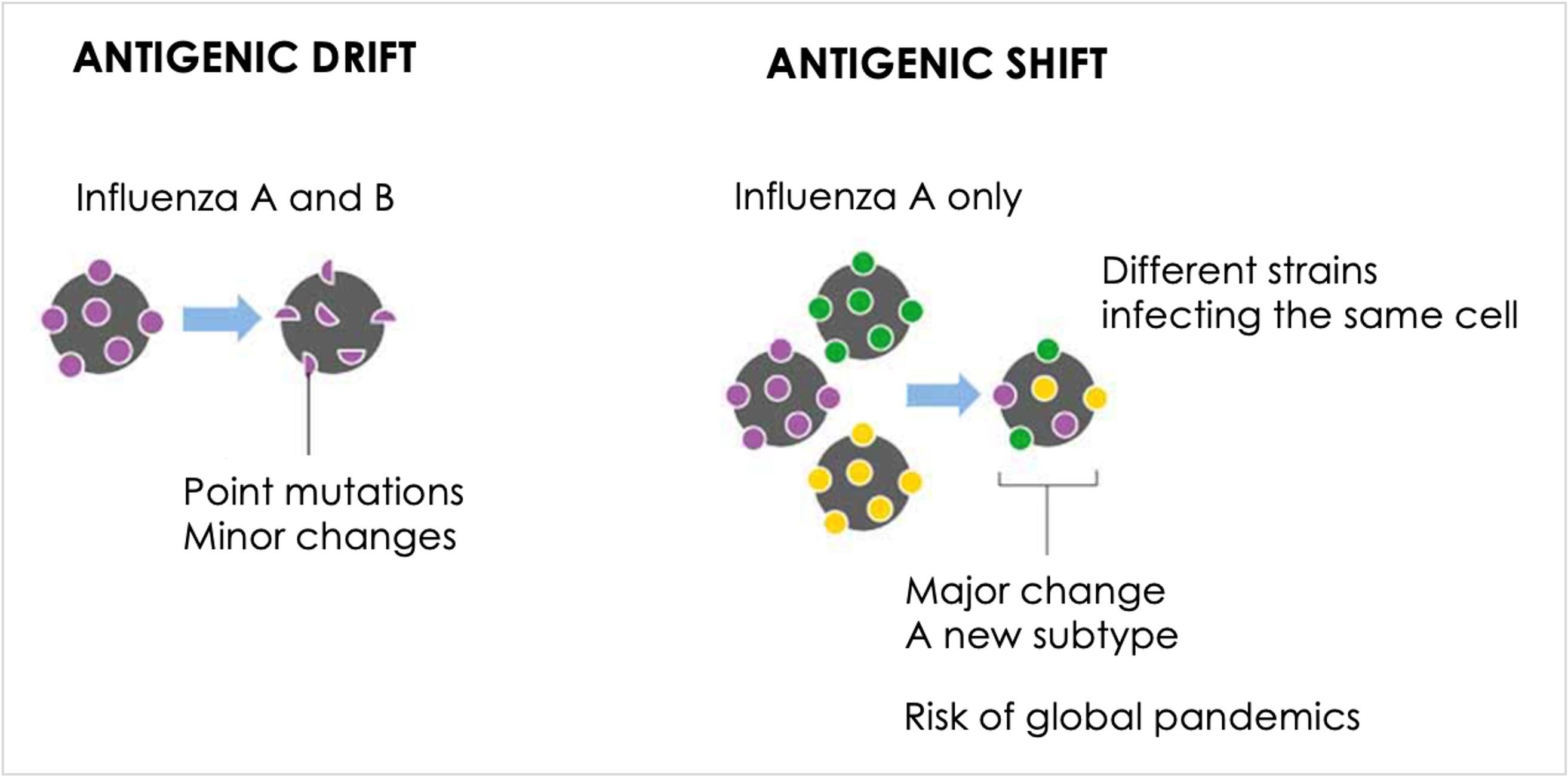
Constant evolution of influenza viruses through antigenic changes altering the surface proteins necessitates the annual updating of the epidemiological characteristics of virus and the seasonal influenza vaccine.[19]
3. Routes of transmission
Immune-suppressed individuals, elderly individuals, and those with chronic comorbidities experience longer viral shedding and infection periods.
Influenza primarily spreads from an infected person to a susceptible person through the inspiration of respiratory droplets (>5μm) and aerosols released during coughs, sneezes, or talks.
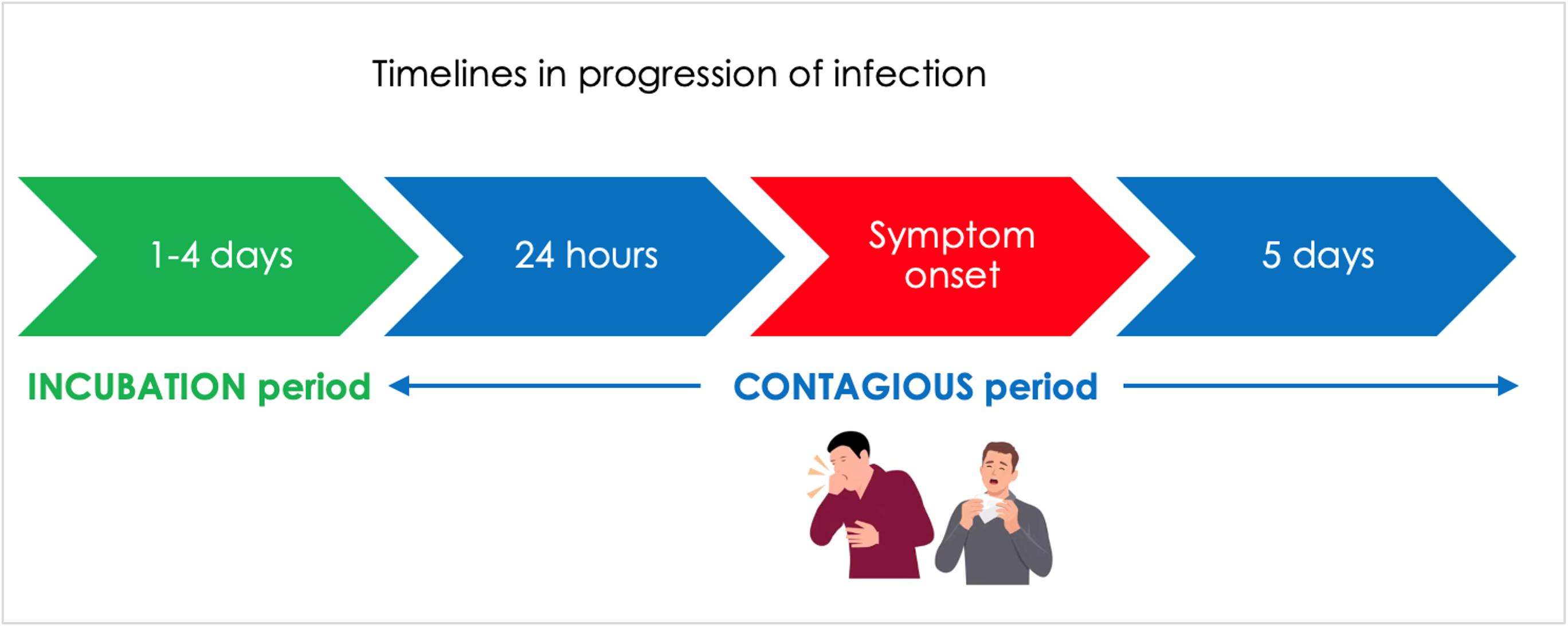
Contacting surfaces contaminated with respiratory droplets is another route of transmission.[2,20] Incubation period of the disease lasts 1-4 days, while the contagious period extends from the 24 hours preceding the symptom onset to 5 days after. Immune-suppressed individuals, elderly individuals, and those with chronic comorbidities experience longer viral shedding and infection periods (Figure 2).[2,12,20,21]
4. Pathogenesis
The viral surface protein hemagglutinin (HA) binds to sialic acid receptors located on the host respiratory epithelial cells enabling viral attachment to ciliated epithelium, while neuraminidase (NA) is responsible for release of virions from infected cells, and development and progression of disease. Viral replication in ciliated epithelium infects additional epithelial cells as well as alveolar macrophages, which leads to inhibition of cellular protein synthesis and eventual cellular death, through necrosis (epithelial cells) or apoptosis (alveolar macrophages). The ciliary epithelium is shed and replaced by squamous epithelium. Cellular necrosis and/or apoptosis induce an immune response – including cellular immunity within 5 to 7 days and humoral immunity within 10 days – as well as cytokine and chemokine production.[22]
Antibody formation against HA and NA antigens, but not to other viral proteins, offers protection from the disease. Anti-HA antibodies are effective in the prevention of re-infection, while anti-NA antibodies are effective in limiting disease severity and viral contagiousness.[22,23]
Clinical course
Elderly patients can present with more subtle symptoms such as tiredness, decreased appetite, dizziness and weakness, without sore throat or myalgia.
Seasonal influenza manifests a wide-ranging clinical spectrum. Systemic symptoms (i.e., fever, chills, myalgia, tiredness and headache) typically develop suddenly and concurrently with the respiratory symptoms (i.e., dry cough, sore throat and rhinorrhea). Presence of at least one of the systemic symptoms and at least one of the accompanying respiratory symptoms is considered clinically diagnostic. Ocular symptoms (i.e., epiphora, conjunctivitis, photophobia and ophthalmalgia) and rash are rarer symptoms. Elderly patients can present with more subtle symptoms such as tiredness, loss of appetite, dizziness and weakness, without sore throat or myalgia (Table 2).[3,18,20,22]
| Table 2. Clinical Manifestations – Symptoms and Signs of Influenza. | ||
|
Sudden onset systemic symptoms and signs (at least one) |
Accompanying respiratory symptoms (at least one) |
|
| Young and middle-aged adults |
|
|
| ≥65 age group |
|
|
Sudden onset of symptoms – fever, myalgia, chills, tiredness and cough in particular – differentiate influenza from common cold which presents with gradual stepwise onset of localized symptoms such as rhinorrhea rather than fever/chills.[20]
Complications and risk groups
Age ≥65 years, chronic diseases, immunosupression and pregnancy are risk factors for severe clinical course, complications, hospitalization and mortality.
Influenza is associated with several respiratory and non-respiratory complications (Table 3).[2,3,24]
| Table 3. Influenza-related complications. | ||
| Respiratory complications | Cardiovascular complications | Other complications |
|
|
|
Patients who are at increased risk of influenza-related complications, collectively known as the high-risk groups, are listed in Table 4.
| Table 4. High-risk groups for influenza-related complications. |
| High-risk Groups |
|
Comorbidity burden – diabetes, chronic obstructive pulmonary disease (COPD), cancer and chronic heart, liver, and kidney diseases – is a critical factor increasing the risk of complications and mortality (particularly in the over-65 age group). Concurrent comorbidities also increase the risk of multiorgan failure and mortality during acute infection. Influenza can also lead to worsening of the underlying disease, in addition to its potentially fatal complications.[3,24,25]
High-risk groups are at increased risk of severe influenza infection (complications and mortality) and worsening of underlying comorbidity.
Diagnostic approach
Diagnosis of influenza is primarily clinical.
Diagnosis of influenza is primarily clinical (Table 2), while in selected cases laboratory tests can be used to confirm the diagnosis.[3,26]
These tests include virus isolation in respiratory samples via cell culture, molecular techniques for detection of viral nucleic acid via real-time polymerase chain reaction (RT-PCR)-based nucleic acid amplification test (NAT), detection of antigenic structures via direct fluorescent antibody test (DFA) and detection of specific antibody response via enzyme immunoassay (EIA)-based rapid diagnostic tests.[3,20]
Cell culture and NAT (RT-PCR) are considered the gold-standard tests. NAT (RT-PCR) enables diagnosis of influenza virus in nasopharyngeal samples with 92-95% sensitivity and 98% specificity, besides the influenza A subtyping in isolated samples. While rapid antigen tests can be used for a faster diagnosis, negative test results need careful interpretation given the high probability of false negatives (Table 5).[2,3,20]
| NAT: Nucleic acid amplification test; RT-PCR: Real-time polymerase chain reaction; DFA: Direct fluorescent antibody test; EIA: Enzyme immunoassay | ||||
| Table 5. Laboratory tests used in influenza diagnosis. | ||||
| Working principle | Detectable viruses | Turnaround time | Key points | |
| Cell culture | isolation of virus | A and B | 3 days |
Limited use in routine practice Biosafety risks due to viable infectious virus particles in samples |
|
Molecular technique “NAT/RT-PCR” |
detection of viral nucleic acid | A/A subtypes and B | 1-8 hours |
Gold-standard Sensitivity and specificity ↑ Identification of A subtypes Earlier diagnosis with detection of nonviable RNA, compared to cell culture |
| DFA test | detection of antigenic structures | A and B | 2 hours | Lower sensitivity compared to culture and NAT |
| Rapid tests-EIA | Detection of influenza-specific antibody response | A and B | <30 minutes |
Lower sensitivity and specificity culture and NAT High probability of false-negative results |
Molecular tests (NAT-RT-PCR) are safer than rapid tests.
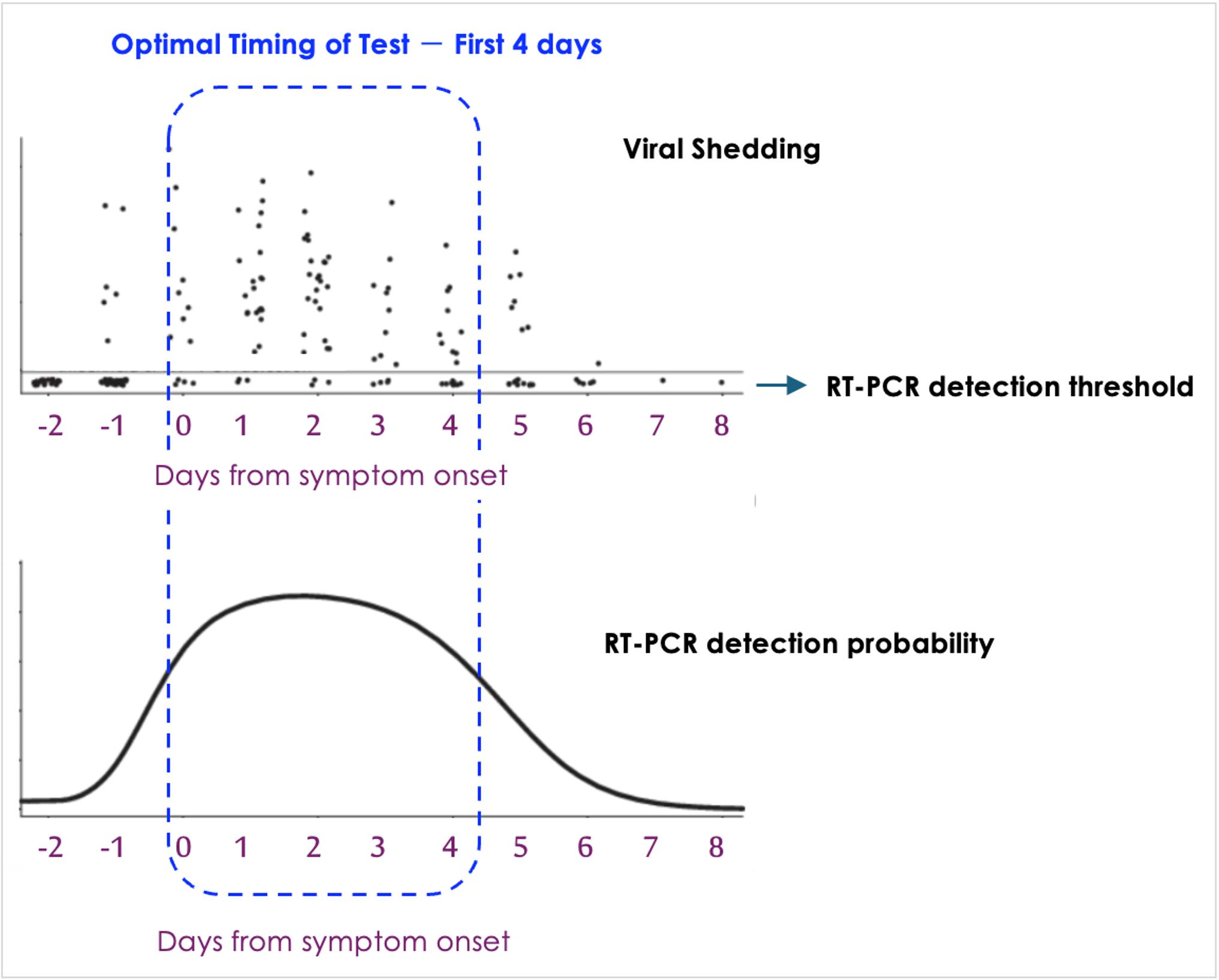
Timing of influenza tests with respect to clinical symptoms and signs is critical for test sensitivity. Viral shedding peaks within the first 24 to 48 hours of illness onset, then declines rapidly. Viral replication becomes very limited or absent after 5 to 7 days in immunocompetent hosts. Therefore, tests are recommended to be performed within 4 days of symptom onset. However, in case of advanced age, chronic disease, obesity and immunosuppression, viral shedding can last longer than normal (Figure 3).[2,24]
Treatment
In the influenza season, high-risk groups should initiate anti-viral treatment without laboratory testing.
In the influenza season, following the clinical diagnosis of influenza infection and exclusion of a bacterial infection, anti-viral treatment should be promptly started, without laboratory testing, in the high-risk groups (Table 4). In low-risk patients, however, tests should be performed first, if possible, and the decision to initiate anti-viral or symptomatic treatment should be based on test results (Figure 4).[2,3,24]
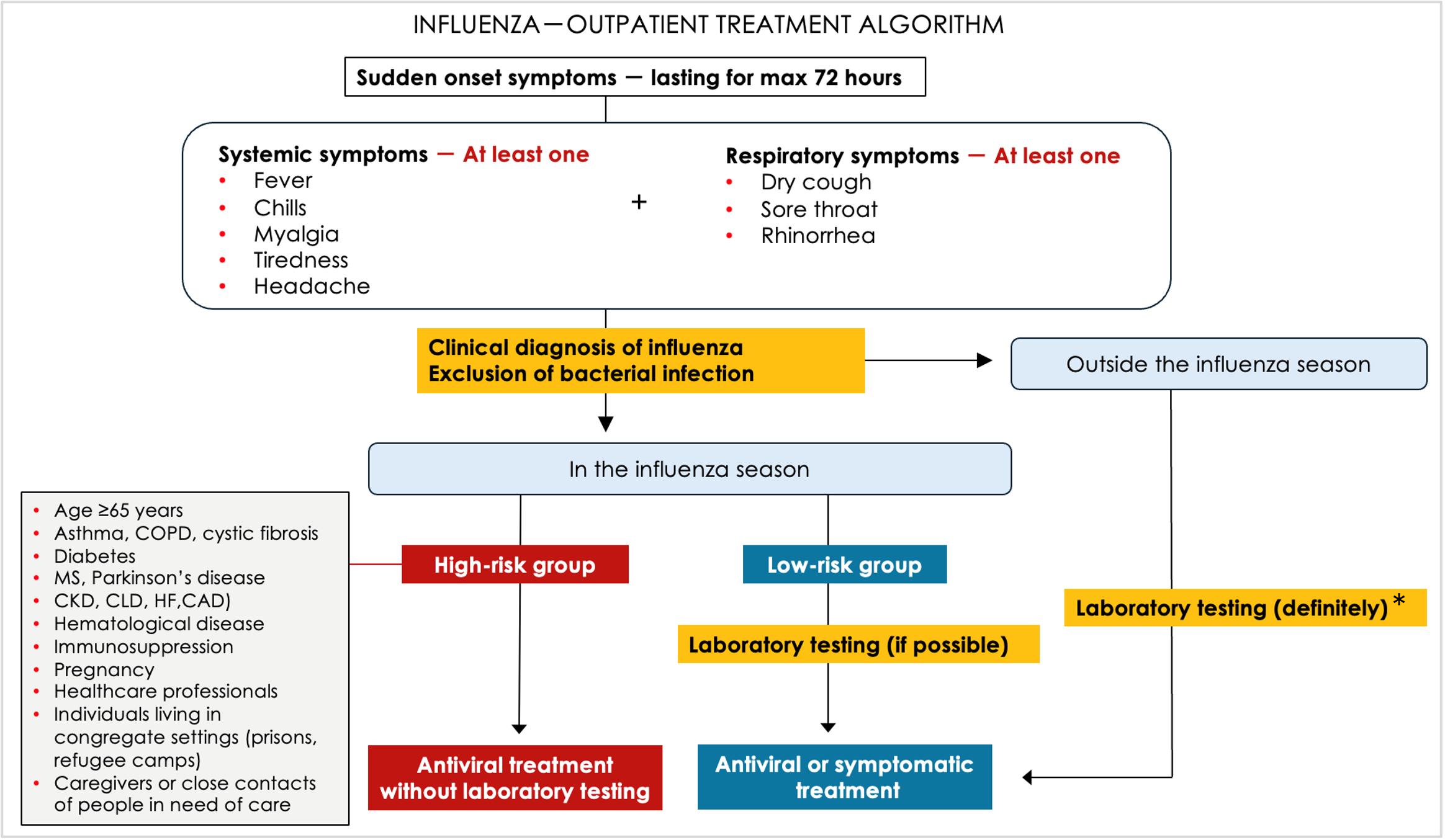
Outside the influenza season (between May and October), no patient should receive anti-viral treatment without laboratory testing (Figure 4).
Amongst the antiviral agents approved by Food and Drug Administration (FDA) for influenza treatment and/or prophylaxis, oseltamivir and baloxavir are currently available in Türkiye. Oseltamivir is a neuraminidase inhibitor that blocks the viral NA enzyme of influenza A and B viruses, preventing viral particles from releasing from infected host cells. Baloxavir is a cap-dependent endonuclease inhibitor that blocks viral replication by halting mRNA synthesis.[3] Oseltamivir is the most widely prescribed influenza antiviral in the world (Table 6).[3,20]
|
LRTI: Lower respiratory tract infection a cFor creatinine clearance 31–60 mL/min: 30 mg twice daily for treatment and 30 mg once daily for prophylaxis. For creatinine clearance 11–30 mL/min: 30 mg once daily for treatment and 30 mg every other day for prophylaxis. b in hemodialysis patients: 30 mg (prophylaxis) after every two dialysis sessions and 30 mg (treatment) after each session; in peritoneal dialysis patients: 30 mg (prophylaxis) or 30 mg (treatment) once weekly |
||||
| Table 6. Influenza antivirals available in Türkiye. | ||||
| Treatment dose |
Prophylaxis dose |
Pros | Cons | |
| Oseltamivir (oral suspension/capsule) |
75 mg 2x1 5 days |
75 mg 1x1 10 days |
|
|
| Baloxavir (oral suspension/capsule) |
Single dose <80 kg 40 mg ≥80 kg 80 mg |
Post-exposure prophylaxis, same as the treatment dose: single dose |
|
|
Symptomatic and supportive therapy is based on bedrest, hydration and use of antipyretic or analgesic (acetaminophen or ibuprofen). Routine use of corticosteroids and use of antibiotics for the purpose of prophylaxis should be avoided. In patients with secondary bacterial pneumonia, empirical antibiotics should be administered as per pneumonia guidelines, while antibiotic treatment is further adjusted according to culture and sensitivity test results if bacterial pathogen is isolated.
Referral criteria
In adult influenza cases, referral criteria for further investigation and treatment include development of severe complications, no improvement in clinical status despite appropriate treatment and follow-up, emergence of hospitalization need and presence of immunosuppression (Table 7).[27,28]
| Table 7. Referral criteria for adult influenza patients. |
| Signs of complication development |
|
| Non-response to treatment and worsening/prolonged clinical course particularly in the high-risk groups |
|
Strategies for prevention and control of adult influenza
1. Antiviral chemoprophylaxis
Chemoprophylaxis should be started within the first 48 hours after exposure.
Oral oseltamivir, single dose baloxavir and inhaled zanamivir are effective in post-exposure chemoprophylaxis for both influenza A and B viruses, each reducing the risk of symptomatic infection by 60-85% (Table 6).[2,23,24]
Post-exposure should be given in recommended doses provided in Table 6.[3] Chemoprophylaxis should be started promptly, within the first 48 hours after exposure, for the maximum benefit.[20]
During an epidemic, pre-exposure chemoprophylaxis can be applied simultaneously with inactive vaccine, in unvaccinated high-risk individuals and healthcare professionals. Alternatively, but rarely, if vaccine is not available or contraindicated, or the patient is immunosuppressed, chemoprophylaxis can be continued during the course of the epidemic. In immunosuppressed hosts, post-exposure prophylaxis should be based on therapeutic doses.[2,3,20] To prevent the development of resistance, the United States Centers for Disease Control and Prevention (CDC) advises against the routine or widespread use of antivirals for chemoprophylaxis.[29]
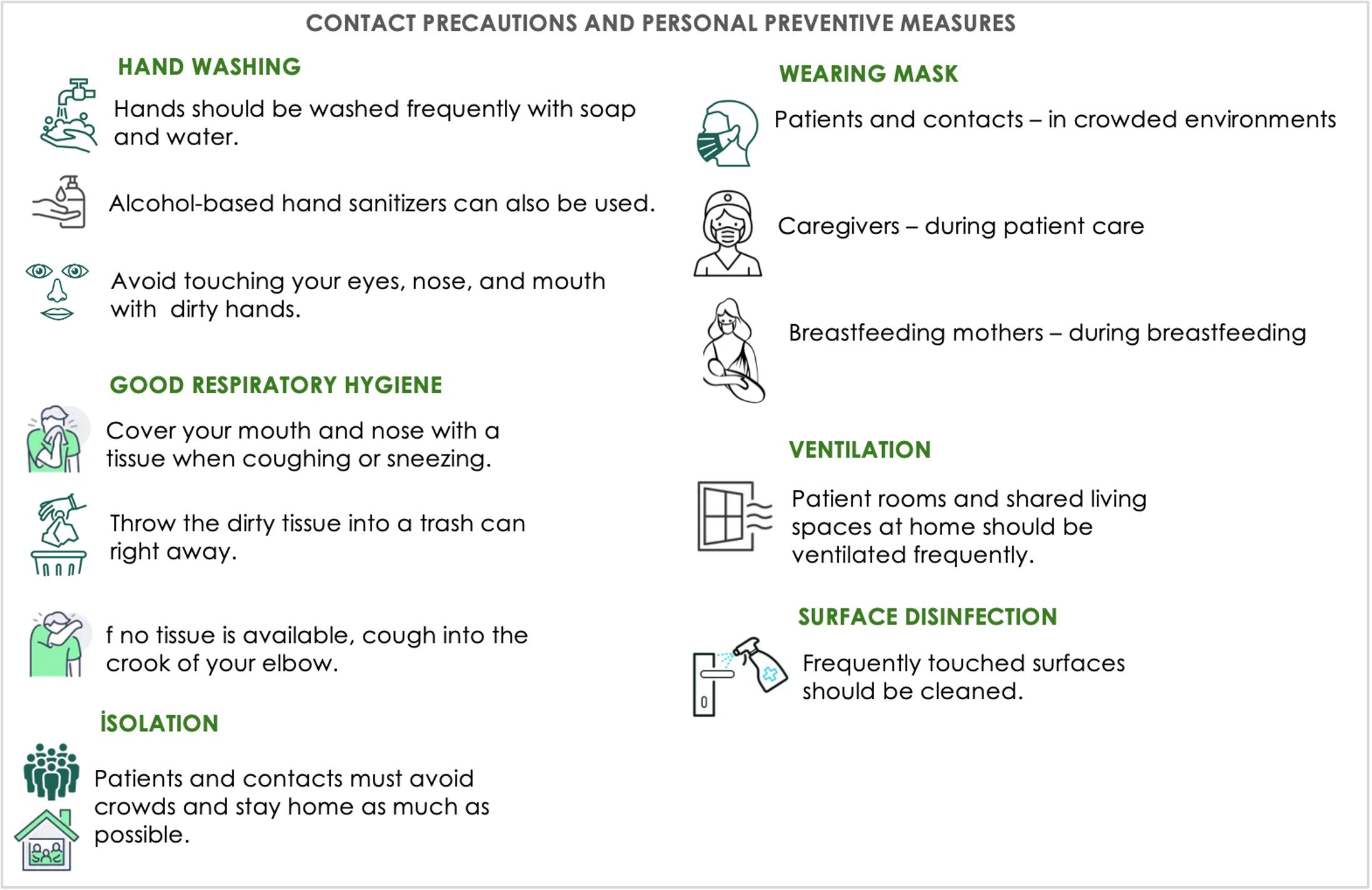
2. Contact precautions and personal preventive measures
Contact precautions and personal preventive measures involve the disinfection methods for limiting transmission of disease from infected patients or exposed individuals as well as for personal protection (Figure 5).[12,20]
3. Vaccination
a) Indications and primary target groups
Influenza ranks first among vaccine-preventable diseases as millions of people are affected by seasonal epidemics.[4] Annual vaccination is considered the primary approach for preventing not only the influenza infection but also its severe complications. Therefore, vaccination is particularly important in the high-risk groups. According to the World Health Organization (WHO), key high-risk groups prioritized for seasonal influenza vaccination include pregnant women, older adults, immunocompromised individuals and those with chronic medical conditions, as well as the healthcare professionals.[1,5-7]
While annual influenza vaccination is recommended for almost everyone aged 6 months and older, individuals at high risk of influenza complications are defined as the priority group, enabling implementation of national immunization plans tailored to unique context of each country (Table 4).[1,3,4-7]
b) Optimal timing of vaccination
Vaccination can be performed throughout the influenza season (Early October - Late March).
Timing of vaccination is important for the effectiveness of vaccine and determined by country-specific surveillance data. Türkiye 2025 Surveillance data indicate shift of influenza season to later months with respect to its onset (Late December – Early January) , peak (Late January – Mid-February) and end (Mid-April).[4]
Vaccines administered too early may lose their effectiveness by the time the seasonal flu begins, particularly in elderly people. For this reason, administration of vaccination too early should generally be avoided.[4]
Protective effect of the vaccine begins 1–2 weeks after administration, and protection lasts for 6–8 months or longer in healthy adults. Therefore, vaccination should ideally be offered during autumn months the preceding viral spread, while the vaccination can be performed throughout the influenza season (Early October - Late March).[4,30-32]
c) Recommended vaccine type
Quadrivalent influenza vaccines, implemented since the 2013-2014 season, traditionally contain antigens for two influenza A subtypes (A/H1N1 and A/H3N2) and two influenza B lineages (B/Victoria and B/Yamagata). However, because the B/Yamagata virus strain is no longer circulating in humans since March 2020, many countries and manufacturers have established regulatory frameworks to adopt and manufacture trivalent vaccines, in accordance with the WHO recommendations regarding use of trivalent (A/H3N2, A/H1N1 and B/Victoria) vaccine formulations as of the 2024–2025 influenza season.[31,33] Accordingly, the use of trivalent vaccines is now recognized as the standard of care by the WHO and global health authorities due to their effectiveness, safety, and ability to target current strains.[31,33,34]
Each year, as part of WHO global Influenza Program, viruses from October to April are evaluated in the Northern Hemisphere and those from April and September in the Southern Hemisphere to identify composition of vaccines for the upcoming season, which is announced in February (Northern Hemisphere) and September (Southern Hemisphere).[20,34]
d) Contraindications and side effects
Influenza vaccine is contraindicated for adults with a history of a severe allergic reaction, such as anaphylaxis, to any specific component of that vaccine or a previous dose.
Egg allergy is not a contraindication to influenza vaccination. The Centers for Disease Control and Prevention (CDC) and the Advisory Committee on Immunization Practices (ACIP) state that, beginning with the 2023–2024 influenza season, individuals aged ≥6 months with egg allergy may receive any influenza vaccine (egg-based or non-egg-based) that is appropriate for their age and health status, regardless of the severity of their egg allergy. No additional safety measures are required for individuals with egg allergy beyond the standard precautions recommended for all vaccine recipients.[35]
The side effects of influenza vaccines are mostly mild and temporary, including pain and tenderness at the injection site for less than 2 days as the most common side effect in adults with a prevalence of 10-64%. The rates of vaccination-related fever, headache, myalgia, and weakness are similar to those of the placebo. Serious events like Guillain–Barré syndrome (GBS) are very rare, while influenza itself is associated with a 4 to 7 times greater risk of GBS than the vaccine. Additionally, the trivalent influenza vaccine is inactivated and cannot cause influenza infection.
e) Administering influenza vaccines alongside other vaccines
Influenza vaccines may be co-administered on the same day with all other vaccines, including COVID-19 and pneumococcal vaccines. Influenza vaccines can be administered on the same day as other vaccines, using separate anatomical injection sites.
Importance of vaccination in high-risk groups
Annual influenza vaccination is essential in all high-risk group individuals to avoid morbidity and mortality.[3]
1. Effects of annual influenza vaccination in high-risk groups
Vaccination in high-risk groups:
↓ development of influenza infection
↓ complications, hospitalization and mortality
↓ worsening of underlying comorbidity
Rationale and clinical outcomes of annual influenza vaccination in high-risk groups (advanced age, diabetes, COPD, cardiovascular disease, chronic kidney disease, pregnancy) are summarized in Table 8.[7,20,21,25,30,36-49]
| CKD: Chronic kidney disease; COPD: Chronic obstructive lung disease; CVD Cardiovascular disease; HF: Heart failure; MACE: Major adverse cardiac events. | ||
| Table 8. Rationale and clinical outcomes of annual influenza vaccination in high-risk groups.[7,20,21,25, 30,36-49] | ||
| Annual Influenza Vaccination | ||
| Rationale | Clinical outcomes | |
| Age ≥ 65 years | ||
| Diabetes | ||
| COPD |
|
|
| CVD | Influenza infection causes | |
| CKD |
|
|
| Pregnancy |
|
|
In acute myocardial infarction patients, early-season influenza vaccination was reported to be more advantageous than late-season vaccination in terms of all-cause mortality reduction, while two modalities had similar effectiveness in terms of myocardial infarction and stent thrombosis.[50] In heart failure patients, repeated vaccination and vaccination earlier in the year were reported to be more effective in reducing mortality risk when compared to intermittent and late-season vaccination.[51]
Dual influenza and pneumococcal vaccination is considered more effective in cardiovascular risk (stroke, congestive heart failure, ischemic heart disease and myocardial infarction) reduction.[44]
2. Guideline recommendations
Current national and international guidelines recommend annual influenza vaccine in high-risk groups.[7,32,45,49,52-59]
Conclusion
Influenza is a disease that can lead to severe illness, complications and death in high-risk adult groups. Annual vaccination, as a highly cost-effective public health tool, represents the most effective approach for preventing disease and related complications. Annual influenza vaccination is essential to avoid hospitalization and mortality in all high-risk individuals. This multidisciplinary consensus report seems to provide primary care physicians with a practical guidance document in this regard.
Ethical approval
This article is based on previously conducted studies and does not contain any new studies with human participants or animals performed by any of the authors.
Source of funding
The authors declare the study received no funding.
Conflict of interest
The authors declare that there is no conflict of interest to disclose.
Referanslar
- World Health Organization (WHO). Influenza (seasonal). WHO; 2025. Available at: https://www.who.int/news-room/fact-sheets/detail/influenza-(seasonal) (Accessed on May 10, 2026).
- Kyokha AY. Seasonal influenza: a narrative review of epidemiology, clinical features, and preventive strategies. Cureus. 2025;17(10):e95336. https://doi.org/10.7759/cureus.95336
- Kaya Kılıç E, Ünal S. İnfluenza. Flora. 2023;28:583-595. https://doi.org/10.5578/flora.20239601
- Türkiye Enfeksiyon Hastalıkları ve Klinik Mikrobiyoloji Uzmanlık Derneği (EKMUD). Erişkin Bağışıklama Rehberi. EKMUD; 2024. Available at: https://ekmud.org.tr/files/Rehberler/ekmudrehberler/eriskin-bagisiklama-rehberi-2024.pdf (Accessed on Feb 12, 2026).
- Advisory Committee on Immunization Practices (ACIP). Prevention and control of seasonal influenza with vaccines: recommendations of the Advisory Committee on Immunization Practices (ACIP)-United States, 2025-26 influenza season. ACIP; 2025. Available at: https://www.cdc.gov/flu/hcp/acip/ (Accessed on Jan 19, 2026).
- European Centre for Disease Prevention and Control. Seasonal influenza. European Centre for Disease Prevention and Control ; 2025. Available at: https://www.ecdc.europa.eu/en/seasonal-influenza (Accessed on Jan 19, 2026).
- Grohskopf LA, Blanton LH, Ferdinands JM, Reed C, Dugan VG, Daskalakis DC. Prevention and control of seasonal influenza with vaccines: recommendations of the advisory committee on immunization practices - United States, 2025-26 Influenza Season. MMWR Morb Mortal Wkly Rep. 2025;74(32):500-507. https://doi.org/10.15585/mmwr.mm7432a2
- Fall A, Han L, Yunker M, et al. Evolution of influenza A(H3N2) viruses in 2 consecutive seasons of genomic surveillance, 2021-2023. Open Forum Infect Dis. 2023;10(12):ofad577. https://doi.org/10.1093/ofid/ofad577
- GBD 2021 Lower Respiratory Infections and Antimicrobial Resistance Collaborators. Global, regional, and national incidence and mortality burden of non-COVID-19 lower respiratory infections and aetiologies, 1990-2021: a systematic analysis from the Global Burden of Disease Study 2021. Lancet Infect Dis. 2024;24(9):974-1002. https://doi.org/10.1016/S1473-3099(24)00176-2
- Cohen LE, Hansen CL, Andrew MK, et al. Predictors of severity of influenza-related hospitalizations: results from the Global Influenza Hospital Surveillance Network (GIHSN). J Infect Dis. 2024;229(4):999-1009. https://doi.org/10.1093/infdis/jiad303
- Kim DeLuca E, Gebremariam A, Rose A, Biggerstaff M, Meltzer MI, Prosser LA. Cost-effectiveness of routine annual influenza vaccination by age and risk status. Vaccine. 2023;41(29):4239-4248. https://doi.org/10.1016/j.vaccine.2023.04.069
- Sağlık Bakanlığı. Haftalık solunum yolu virüsleri sürveyans raporu 2026/24. Hafta (8-14 Haziran 2026). 2026. Available at: https://grip.saglik.gov.tr/depo/influenza-raporu/2026/Haftalik_Solunum_Yolu_Virusleri_Surveyans_Raporu_2026_24.pdf (Accessed on Jul 13, 2026).
- Türk Toraks Derneği Solunum Sistemi Enfeksiyonlari Çalışma Grubu. "Grip salgını" bilgilendirme notu. Türk Toraks Derneği; 2025. Available at: https://toraks.org.tr/files/mf/site/2025/12/h3n2-basin-bildirisi-002-7b4938d8.pdf (Accessed on Jun 13, 2026).
- Türk Klinik Mikrobiyoloji ve İnfeksiyon Hastalıkları Derneği (KLİMİK). 2025-2026 influenza sezonunda antijenik sapma ve aşı karşıtı yaklaşımın değişimi. KLİMİK; 2025. Available at: https://www.klimik.org.tr/2026/02/05/2025-2026-influenza-sezonunda-antijenik-sapma-ve-asi-karsiti-yaklasimin-degisimi/ (Accessed on Jun 13, 2026).
- Rasmussen SA, Jernigan DB. Antigenic drift and antivaccine shift in the 2025-2026 influenza season. N Engl J Med. 2026;394(8):732-735. https://doi.org/10.1056/NEJMp2600395
- World Health Organization (WHO). Recommendations announced for influenza vaccine composition for the 2025-2026 northern hemisphere influenza season. WHO; 2025. Available at: https://www.who.int/news/item/28-02-2025-recommendations-announced-for-influenza-vaccine-composition-for-the-2025-2026-northern-hemisphere-influenza-season (Accessed on Jun 13, 2026).
- Long JS, Mistry B, Haslam SM, Barclay WS. Host and viral determinants of influenza A virus species specificity. Nat Rev Microbiol. 2019;17(2):67-81. https://doi.org/10.1038/s41579-018-0115-z
- Ashraf MA, Raza MA, Amjad MN, et al. A comprehensive review of influenza B virus, its biological and clinical aspects. Front Microbiol. 2024;15:1467029. https://doi.org/10.3389/fmicb.2024.1467029
- Tanner AR, Dorey RB, Brendish NJ, Clark TW. Influenza vaccination: protecting the most vulnerable. Eur Respir Rev. 2021;30(159):200258. https://doi.org/10.1183/16000617.0258-2020
- T.C. Sağlık Bakanlığı Halk Sağlığı Genel Müdürlüğü. Pandemik influenza ulusal hazırlık planı. 2019. Available at: https://hsgm.saglik.gov.tr/depo/Yayinlarimiz/Eylem_Planlari/Ulusal_Pandemi_Hazirlik_Plani.pdf (Accessed on Jun 13, 2026).
- Hasibuan AS, Widhani A, Koesnoe S, et al. Benefit of influenza vaccination in patients with cardiovascular disease. Acta Med Indones. 2025;57(4):552-558.
- Uyeki TM, Hui DS, Zambon M, Wentworth DE, Monto AS. Influenza. Lancet. 2022;400(10353):693-706. https://doi.org/10.1016/S0140-6736(22)00982-5
- Gentles LE, Wan H, Eichelberger MC, Bloom JD. Antibody neutralization of an influenza virus that uses neuraminidase for receptor binding. Viruses. 2020;12(6):597. https://doi.org/10.3390/v12060597
- Uyeki TM, Bernstein HH, Bradley JS, et al. Clinical Practice Guidelines by the Infectious Diseases Society of America: 2018 update on diagnosis, treatment, chemoprophylaxis, and institutional outbreak management of seasonal influenza. Clin Infect Dis. 2019;68(6):895-902. https://doi.org/10.1093/cid/ciy874
- Aziz F, Aberer F, Moser O, et al. Impact of comorbidities on mortality in hospitalized influenza patients with diabetes - analysis of the Austrian health insurance. Diabetes Res Clin Pract. 2021;174:108758. https://doi.org/10.1016/j.diabres.2021.108758
- Peaper DR, Branson B, Parwani V, et al. Clinical impact of rapid influenza PCR in the adult emergency department on patient management, ED length of stay, and nosocomial infection rate. Influenza Other Respir Viruses. 2021;15(2):254-261. https://doi.org/10.1111/irv.12800
- Sağlık Bakanlığı. Bulaşıcı hastaliklarla mücadele rehberi. Sağlık Bakanlığı; 2018. Available at: https://hsgm.saglik.gov.tr/depo/birimler/bulasici-hastaliklar-ve-erken-uyari-db/Birimler/Saha_Epidemiyolojisi_ve_Erken_Uyari/Bulasici_Hastaliklar_ile_Mucadele_Rehberi_Ustyazi.pdf (Accessed on Jul 13, 2026).
- Sağlık Bakanlığı. Grip (influenza) vakalarina ilişkin açıklama. Sağlık Bakanlığı; 2026. Available at: https://www.saglik.gov.tr/TR-61995/grip-influenza-vakalarina-iliskin-aciklama.html (Accessed on Jul 13, 2026).
- Center for Disease Control. Influenza antiviral drug resistance. Center for Disease Control; 2026. Available at: https://www.cdc.gov/flu/treatment/antiviralresistance.html (Accessed on Jul 13, 2026).
- Çelik A, Altay H, Azap A, et al. Vaccination of adults with heart failure and chronic heart conditions: Expert opinion. Turk Kardiyol Dern Ars. 2018;46(8):723-734. https://doi.org/10.5543/tkda.2018.10.5543/tkda.2018.37048
- Fisman D, Pérez-Rubio A, Postma M, Smith DS, Mould-Quevedo J. Maintaining the value of influenza vaccination - the shift from quadrivalent to trivalent vaccines: an expert review. Expert Rev Vaccines. 2025;24(1):499-508. https://doi.org/10.1080/14760584.2025.2515597
- Türkiye Aile Hekimleri Uzmanlık Derneği (TAHUD). Erişkin risk grubu bağişiklama algoritmasi. TAHUD; 2025. Available at: https://tahud.org.tr/haber/eriskin-risk-grubu-bagisiklama-algoritmasi-guncel-2025 (Accessed on Mar 10, 2026).
- Center for Disease Control. Trivalent influenza vaccines. Center for Disease Control; 2026. Available at: https://www.cdc.gov/flu/vaccine-types/trivalent.html (Accessed on Apr 10, 2026).
- World Health Organization (WHO). Global Influenza Programme: Vaccines. Available at: https://www.who.int/teams/global-influenza-programme/vaccines (Accessed on Mar 10, 2026).
- Center for Disease Control. 2023-2024 flu season. Center for Disease Control; 2024. Available at: https://www.cdc.gov/flu/season/2023-2024.html (Accessed on Jun 13, 2026).
- Gavazzi G, Fougère B, Hanon O, et al. Enhanced influenza vaccination for older adults in Europe: a review of the current situation and expert recommendations for the future. Expert Rev Vaccines. 2025;24(1):350-364. https://doi.org/10.1080/14760584.2025.2499728
- Ansari A, Taffaro A, McSween Z, Lu J, Huang A, Lazarescu R. Battling influenza in elderly patients: a case of severe influenza a with complications in a high-risk patient. Cureus. 2025;17(4):e82303. https://doi.org/10.7759/cureus.82303
- Conrad A, Valour F, Vanhems P. Burden of influenza in the elderly: a narrative review. Curr Opin Infect Dis. 2023;36(4):296-302. https://doi.org/10.1097/QCO.0000000000000931
- Hulme KD, Gallo LA, Short KR. Influenza virus and glycemic variability in diabetes: a killer combination? Front Microbiol. 2017;8:861. https://doi.org/10.3389/fmicb.2017.00861
- American Diabetes Association Professional Practice Committee for Diabetes*. 4. Comprehensive Medical Evaluation and Assessment of Comorbidities: Standards of Care in Diabetes-2026. Diabetes Care. 2026;49(Supplement_1):S61-S88. https://doi.org/10.2337/dc26-S004
- Behrouzi B, Bhatt DL, Cannon CP, et al. Association of influenza vaccination with cardiovascular risk: a meta-analysis. JAMA Netw Open. 2022;5(4):e228873. https://doi.org/10.1001/jamanetworkopen.2022.8873
- Liao KM, Chen YJ, Shen CW, Ou SK, Chen CY. The influence of influenza virus infections in patients with chronic obstructive pulmonary disease. Int J Chron Obstruct Pulmon Dis. 2022;17:2253-2261. https://doi.org/10.2147/COPD.S378034
- Heidecker B, Libby P, Vassiliou VS, et al. Vaccination as a new form of cardiovascular prevention: a European society of cardiology clinical consensus statement. Eur Heart J. 2025;46(36):3518-3531. https://doi.org/10.1093/eurheartj/ehaf384
- Addario A, Célarier T, Bongue B, Barth N, Gavazzi G, Botelho-Nevers E. Impact of influenza, herpes zoster, and pneumococcal vaccinations on the incidence of cardiovascular events in subjects aged over 65 years: a systematic review. Geroscience. 2023;45(6):3419-3447. https://doi.org/10.1007/s11357-023-00807-4
- McDonagh TA, Metra M, Adamo M, et al. 2021 ESC Guidelines for the diagnosis and treatment of acute and chronic heart failure. Eur Heart J. 2021;42(36):3599-3726. https://doi.org/10.1093/eurheartj/ehab368
- Bartholdy KV, Johansen ND, Modin D, et al. High-dose vs standard-dose influenza vaccine in chronic kidney disease: the DANFLU-2 trial subgroup analysis. J Am Coll Cardiol. 2025;86(25):2636-2647. https://doi.org/10.1016/j.jacc.2025.10.005
- Hao WR, Yang TL, Lai YH, et al. The association between influenza vaccine and risk of chronic kidney disease/dialysis in patients with hypertension. Vaccines (Basel). 2023;11(6):1098. https://doi.org/10.3390/vaccines11061098
- Morales-Suárez-Varela M, Peraita-Costa I, Llopis-Morales A, Llopis-González A. Influenza vaccination during pregnancy: a narrative review on maternal and neonatal outcomes associated with seasonal influenza infection. Vaccines (Basel). 2026;14(7):593. https://doi.org/10.3390/vaccines14070593
- Influenza in pregnancy: prevention and treatment: ACOG committee statement no. 7. Obstet Gynecol. 2024;143(2):e24-e30. https://doi.org/10.1097/AOG.0000000000005479
- Fröbert O, Götberg M, Erlinge D, et al. Influenza vaccination after myocardial infarction: a randomized, double-blind, placebo-controlled, multicenter trial. Circulation. 2021;144:1476-1484. https://doi.org/10.1161/CIRCULATIONAHA.121.057042
- Modin D, Jørgensen ME, Gislason G, et al. Influenza vaccine in heart failure. Circulation. 2019;139(5):575-586. https://doi.org/10.1161/CIRCULATIONAHA.118.036788
- Samson SL, Vellanki P, Blonde L, et al. American association of clinical endocrinology consensus statement: algorithm for management of adults with type 2 diabetes - 2026 update. Endocr Pract. 2026;32(4):473-518. https://doi.org/10.1016/j.eprac.2026.01.006
- Visseren FLJ, Mach F, Smulders YM, et al. 2021 ESC Guidelines on cardiovascular disease prevention in clinical practice. Eur Heart J. 2021;42(34):3227-3337. https://doi.org/10.1093/eurheartj/ehab484
- Knuuti J, Wijns W, Saraste A, et al. 2019 ESC Guidelines for the diagnosis and management of chronic coronary syndromes. Eur Heart J. 2020;41(3):407-477. https://doi.org/10.1093/eurheartj/ehz425
- Rao SV, O'Donoghue ML, Ruel M, et al. 2025 ACC/AHA/ACEP/NAEMSP/SCAI guideline for the management of patients with acute coronary syndromes: a report of the American college of cardiology/American heart association joint committee on clinical practice guidelines. Circulation. 2025;151:e771-e862. https://doi.org/10.1161/CIR.0000000000001309
- Kidney International. KDIGO 2012 Clinical practice guideline for the evaluation and management of chronic kidney disease. Kidney International; 2013. Available at: https://kdigo.org/wp-content/uploads/2017/02/KDIGO_2012_CKD_GL.pdf (Accessed on Jun 13, 2026).
- Türkiye Enfeksiyon Hastalıkları ve Klinik Mikrobiyoloji Uzmanlık Derneği (EKMUD). Erişkin bağişiklama rehberi 2025 önerileri. EKMUD; 2025. Available at: https://www.ekmud.org.tr/files/EKMUD_Aşı_Tablo1%262_2025.pdf (Accessed on Jun 13, 2026).
- Türkiye Cumhuriyeti Sağlık Bakanlığı Aşı Portalı. Aşı takvimindeki son güncellemeler. 2025. Available at: https://asi.saglik.gov.tr/bagisiklama-programi-ve-asi-takvimi/asi-takvimindeki-son-guencellemeler.html (Accessed on Jun 13, 2026).
- Türkiye Endokrinoloji ve Metabolizma Derneği (TEMD). Diabetes mellitus ve komplikasyonlarinin tani, tedavi ve izlem kilavuzu - 2026. TEMD; 2026. Available at: https://file.temd.org.tr/Uploads/publications/guides/documents/diabetesmellitus2026.pdf (Accessed on Jun 13, 2026).
Telif hakkı ve lisans
Telif Hakkı © 2026 Yazar(lar). Açık erişimli bu makale, orijinal çalışmaya uygun şekilde atıfta bulunulması koşuluyla, herhangi bir ortamda veya formatta sınırsız kullanım, dağıtım ve çoğaltmaya izin veren Creative Commons Attribution License (CC BY) altında dağıtılmıştır.